

WIMBY
WIMBY: Engaging local communities for the acceptance of wind energy in the EU
The Horizon Europe program project, initiated in early 2023, will develop innovative tools to facilitate interaction between citizens and stakeholders, in particular the sharing of knowledge, collaborative assessment of impacts, controversies, and the potential for social innovation of new onshore and offshore wind farms.
The WIMBY project – Wind In My BackYard: Using holistic modeling tools to advance social awareness and engagement on large wind power installations in the EU – is an initiative of the Horizon Europe program that aims to promote awareness and social interaction about large wind farms in the European Union through the development of holistic modeling tools. The project officially began in January 2023. Over the next three years, WIMBY researchers will cooperate to develop a new set of tools that will promote the direct involvement of local communities in the planning, implementation, and long-term coexistence with wind farms. WIMBY can pave the way for a greener and more sustainable future by facilitating the acceptance of widely accepted and economically viable wind farms, while recognizing and addressing the concerns of local communities and considering ecological aspects.
Promoting collaboration for the sustainable development of wind energy:
Although wind energy is considered one of the most promising solutions for reducing carbon emissions and mitigating climate change, it has also sometimes encountered resistance in terms of restrictive regulations and backlash from local communities.
The WIMBY project addresses these challenges by actively involving citizens and stakeholders throughout the development process and gathering their concerns and feedback. To promote open and transparent communication, the WIMBY Consortium has appointed a multidisciplinary team that will co-develop a series of interactive engagement tools that can be used by anyone, both experts and non-experts, facilitating broad participation in the different phases of the project.
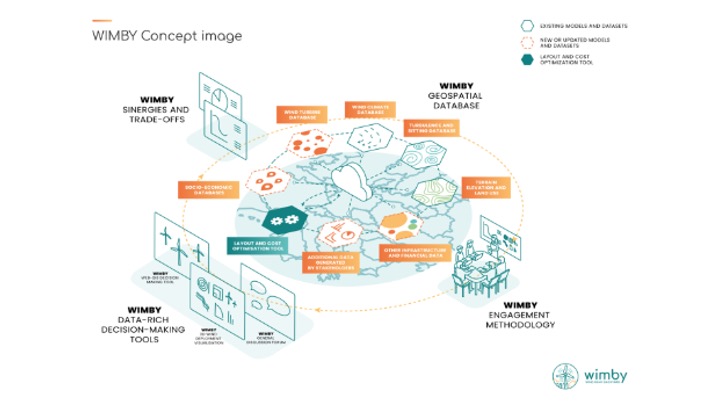
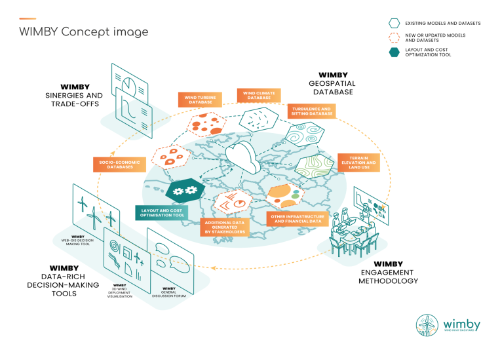
The tools will include a web-GIS platform, an immersive 3D environment, and an open discussion forum, allowing users to exchange opinions and make informed decisions. The project will collect real-world data from four pilot sites located in Austria, Italy, Norway, and Portugal, and will directly engage local communities to identify the factors influencing public attitudes towards wind energy and its applications. The selected pilot cases cover a wide range of geographical, technological, trans-societal, and ecological characteristics, ensuring that the developed tools are relevant and useful for both wind energy developers and citizens, promoting a just transition to future energy citizenship.
Scientific Coordinator of the Project – Luís Ramirez Camargo (
Utrecht University ): Wind energy must be implemented at a much faster pace if we want to achieve global climate protection goals. The technology has matured considerably in recent decades; we know how to mitigate potential negative impacts and profit substantially from positive impacts. However, we still need to develop awareness to strengthen an energy transition that places the implementation of wind energy at the top of the agenda for governments, businesses, communities, and citizens. At WIMBY, we will bring together all the knowledge and experience of the consortium in tools developed in co-development with stakeholders, which should help us contribute to this transition.
Partners and objectives:
The 16 European partners of the WIMBY Consortium will share their multidisciplinary expertise to address all aspects involved in wind energy development: site studies, both in terms of impacts on biodiversity, landscape and communities; technical studies for the development of the most appropriate and user-friendly tools; citizen science and social research methodologies to develop best practices for engaging local stakeholders in decision-making processes.
For APREN :
The future presents great opportunities for the wind energy sector, given the development already achieved and also Portugal's commitment to decarbonization by 2030, but Portugal must be attentive to all social, environmental and economic issues that may create barriers to this implementation. To achieve the defined objectives with full public support, it is essential to study and develop innovative solutions that lead to the active involvement of citizens and are drivers of social change, social ownership and new social practices. Thus, APREN, which is the voice of the wind energy sector in Portugal, truly believes that the added value created by WiMBY will contribute to a smoother wind energy development in the coming years.
WIMBY is a project that puts the needs of citizens and communities at the center, seeking to find the best compromises and tools to break down barriers to the development of wind energy and contribute to the European Union's joint decarbonization efforts. All European citizens are invited to follow the project and be an active part of the research, reading the latest updates and achievements on the official website and major social media platforms
Learn more at:
_____________
WIMBY: Engaging communities for the acceptance and adoption of wind energy in the EU
The Horizon Europe project, started in early 2023 will develop innovative tools to facilitate citizens and stakeholders' interaction, in particular knowledge sharing, collaborative evaluation of impacts, controversies and social innovation potential of new onshore and offshore wind power deployments.
The WIMBY project – Wind In My BackYard: Using holistic modeling tools to advance social awareness and engagement on large wind power installations in the EU – is a Horizon Europe initiative started in January 2023 that aims at developing holistic modeling tools to advance social awareness and engagement on large wind power installations in the EU. During the next three years, WIMBY researchers will cooperate to develop a new set of tools that will promote the direct engagement of local communities in the planning, implementation, and long-standing coexistence with wind farms. WIMBY can pave the way for a greener and more sustainable future by facilitating the acceptance of wind farms that are both widely embraced by the public and economically viable, while recognizing and addressing the concerns of local communities and considering ecological aspects.
Promoting collaboration for truly sustainable wind power development:
Although wind power is considered among the most promising solutions to reduce carbon emissions and mitigate Climate Change, it also has met resistance from restrictive regulations and local communities.
The WIMBY project addresses these challenges by actively involving citizens and stakeholders in the entire process of development, collecting their concerns and feedback. To promote open and transparent communication, WIMBY Consortium has engaged a multidisciplinary team that will co-develop a series of interactive engagement tools that can be used by anyone, both experts and non-experts, facilitating widespread participation in the different phases of the project.
The tools will include a Web-GIS platform, a 3D immersive environment and an open discussion forum, enabling users to exchange opinions and make informed decisions. The project will collect real-world data on four pilot sites located in Austria, Italy, Norway and Portugal, and directly engage local communities to identify the factors influencing the public attitude towards wind power and its applications. The selected pilot cases cover a wide range of geographical, technological, cross-societal and ecological characteristics that ensure that the developed tools are relevant and useful both to wind power developers and to citizens, promoting a just transition towards future energy citizenship.
Project scientific coordinator – Luis Ramirez Camargo ( Utrecht University )
Wind power should be deployed at a faster pace if we want to achieve global climate protection goals. The technology has matured considerably in the last decades, we know how to mitigate potential negative impacts and would profit substantially from the positive impacts. We, however, still need to develop awareness and social engagement to strengthen a transition that puts wind deployment at the top of the agenda of governments, enterprises, communities, and citizens. In WIMBY we will gather all the knowledge and experience of the consortium in tools co-developed with stakeholders, which should help us to contribute to that transition.
Partners and goals:
The WIMBY Consortium's 16 European partners will share their multidisciplinary expertise to address all the points that come into play in the development of wind energy: studies of the territory, both with regard to impacts on biodiversity, landscape and communities; technical studies for the development of the most suitable and user-friendly tools; citizen science and social research methodologies to develop best practices to involve local stakeholders in decision-making processes.
WIMBY is a project that puts the needs of citizens and communities at its center, striving to find the best compromises and tools to break down the barriers against the development of wind energy and contribute to the joint action to decarbonise the European Union. All European citizens are invited to follow the project and be an active part of the research, by reading the most recent updates and achievements on the official website and main social media.
You can check for more information here: